Table of Contents
"Exactly how are you?" The response to this inquiry is often much more complicated than the person asking may understand. You might blurt out a quick, "Penalty, many thanks!" even when you know you're not. AdvertisementCleveland Facility is a non-profit academic clinical. Marketing on our site helps sustain our objective. We do not recommend non-Cleveland Center products or solutions.
And while that makes these conditions seem really various, they are more intertwined than they may seem. And they commonly occur together. Psychiatrist Karen Jacobs, DO, gives us a review of what stress and anxiety and clinical depression are, exactly how they materialize in various methods, how they can be associated and exactly how to discriminate in between the two.
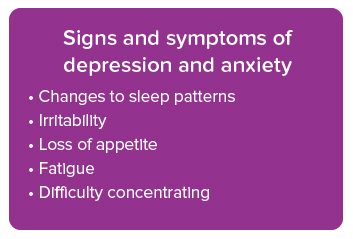
Stressing over circumstances or end results. Indecision. Fear. Lack of ability to kick back. Sensations of uneasyness. Problem focusing or physical anxiety. Additionally, there's a multitude of physical signs that can accompany anxiousness, including: Muscular tissue tension. Chest rigidity. Feeling quickly weary or exhausted. Heart palpitations. Shortness of breath. A long term state of anxiousness, which regularly triggers your fight-or-flight action, can have significant consequences on your wellness.
When Burnout and Depression and the Path to Recovery
Jacobs claims it's so crucial to seek treatment if you're experiencing these symptoms. A clinical depression medical diagnosis goes far beyond just having the blues.
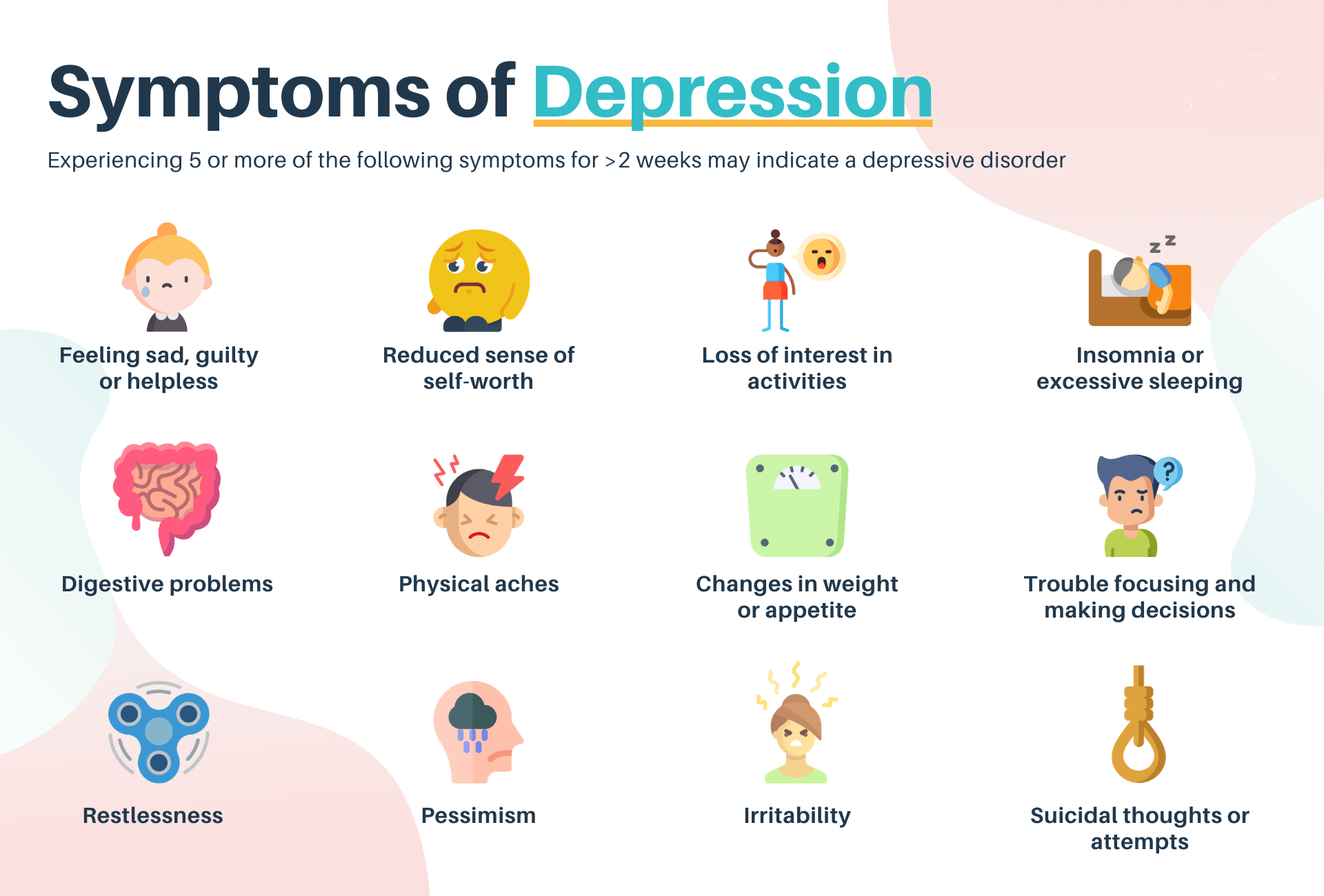
Trademark indicators of clinical depression include: Feelings of unhappiness and pessimism. Loss of interest. Problem resting. Really feeling tired. A change in appetite. Inexplicable physical discomfort or pains. Seeming like tiny tasks take additional effort. Having ideas of self-harm or suicide. Sensations of worthlessness and reduced self-confidence, and depressed mood. Anxiousness and clinical depression are both typical mental health conditions that can influence your ability to deal with your daily jobs and live your life completely.
The Importance of Attachment Theory Plays a Role in Mental Wellness
Both anxiousness and depression can cause: Digestion problems. Changes in appetite or weight. Problem sleeping. Trouble concentrating. Impatience and restlessness. If you're experiencing any of these signs, it's essential to allow a health care service provider understand. If you're experiencing modifications in your state of mind and you're trying to arrange out whether it might be clinical depression or anxiousness or both focus on your energy level and your mindset towards the future.
Meanwhile, stress and anxiety can cause you to really feel high-strung and stimulated, often fueled by competing ideas and fear. One more large difference in between stress and anxiety and anxiety also is available in the treatment of each condition. It is necessary to talk to your specialist, psychiatrist or doctor to make sure you're getting the best treatment.
The Power of Singapore Acceptance and Commitment Therapy for Partners Deepens Connection In Co-Parenting Disagreements and Restores Connection
We're attempting to figure out which one took place first, and after that if one triggered the other," discusses Dr.
Culturally-Adapted Methods When Treating Depression in Singapore Depression and Anxiety at Leading Singapore Practices

When this happens, takes place can also be additionally greater risk better self-harm. In this situation, extensive treatment can be extremely useful for taking care of clinical depression accompanied by anxious distress, so it's essential to get to out for assistance. Whether they occur together or separately, depression and anxiousness are both treatable.
As a whole about 1 out of every 6 adults will certainly have clinical depression at time in their life. Anxiety impacts around 16 million American grownups every year. Any individual can get clinically depressed, and clinical depression can occur at any kind of age and in any kind of kind of person. Lots of people that experience clinical depression additionally have other mental health and wellness conditions.1,5 Anxiousness disorders usually go together with depression. These feelings can hinder daily activities and may last for a long time. Anxiety and anxiety are often referred to with each other, but they are not the same. Anxiousness is defined by relentless fear, anxiousness, and fret about future events. It causes the body's fight-or-flight feedback, causing uneasyness, a racing heart, and problem focusing. On the various other hand, anxiety is marked by a consistent feeling of despair, sadness, and absence of inspiration. Approximately 40 million grownups in the United States deal with anxiety, and even more than 16 million adults battle with anxiety. Anxiety and clinical depression are two of the most typical mental wellness difficulties people in the united state(and throughout the world )face. There's still a lot of complication surrounding these 2 conditions. If you're fighting with depression, you may experience a loss of passion in activities you once enjoyed, and you might struggle to bring out fundamental activities of day-to-day living because your mood and energy degrees are so reduced. The most widely known sort of depression is described as significant depressive disorder. In addition to significant depressive condition, there are a few various other kinds of depression of which to be conscious, including these: In those with relentless depressive problem, signs and symptoms last for at the very least 2 years with little to no relief. Known as manic clinical depression, bipolar condition is identified by durations of mania( exceptionally high power, minimal sleep, irrational actions, etc)adhered to by periods of clinical depression(incredibly reduced power, too much rest, feelings of self-loathing, etc). You can experience symptoms of anxiety and anxiety at the very same time. Panic condition and various other kinds of anxiety problems are often accompanied by significant depressive disorder. A current worldwide research study also revealed that, of those who experienced significant clinical depression for 12 months, 41.6 percent of them also handled one or even more anxiety disorders throughout the exact same duration. One of the essential distinctions in between anxiety and clinical depression, however, is the distinction inthe way individuals relocate. Those with anxiety tend to move a lot more gradually, whereas those with stress and anxiety might be upset and present jerky activities or thrill around to attempt and soothe their distressed feelings. Anxiousness and anxiety likewise vary when it pertains to assumed patterns. If you're not sure which emotion you're really feeling, understanding emotional triggers can provide quality and insight into just how your mind and body react. Anxiousness and depression, like many other psychological wellness problems, do not commonly have one straight reason. The complying with are some potential reasons why you may create either or both of these health problems: Distressing life experiences Medical problems( heart illness, diabetic issues, hyperthyroidism, irritable bowel disorder)Medication or alcohol misuse or withdrawal Drug side impacts Misuse Heartbreaking occasions Social seclusion Medication or alcohol misuse Medication side results Misuse of drugs or alcohol can cause signs of clinical depression and anxiety in certain individuals. There are also similarities in between clinical depression and anxiety when it concerns terrible life events, abuse being a common cause. A single person might be much more vulnerable to clinical depression after undergoing a hard occasion, whereas others might be a lot more likely to create stress and anxiety symptoms, and some might develop signs of both conditions. Any individual can develop anxiety or depression, however mental health problems may be most likely to occur in particular populations. If you come under any of the groups reviewed listed below, you may be more susceptible to anxiety or depression(or both)compared to others: Women are much more most likely to be identified with stress and anxiety problems compared to men. Older individuals are more most likely to be diagnosed with anxiety compared to younger individuals. Distressing events might make you more vulnerable to depression than those who have not knowledgeable extreme injury. Those that have problem with various other mental health and wellness conditions, including anxiousness, may also create anxiety. If other people in your family have been identified with depression, you may be a lot more likely to be diagnosed. They might also recommend anti-anxiety drugs like buspirone, along with medications like benzodiazepines, which are meant to be used for temporary relief during severe episodes of anxiety.

Table of Contents
Latest Posts
Creating Recovery Capacity Via Integrated Approaches for Sustainable Recovery
Establishing Safety in Physical Self During Reiki in Lynnwood, WA
Integrative Techniques for Obsessive-Compulsive Disorder
Navigation
Latest Posts
Creating Recovery Capacity Via Integrated Approaches for Sustainable Recovery
Establishing Safety in Physical Self During Reiki in Lynnwood, WA
Integrative Techniques for Obsessive-Compulsive Disorder